SEO vs SEM
Understand the difference between SEO and SEM
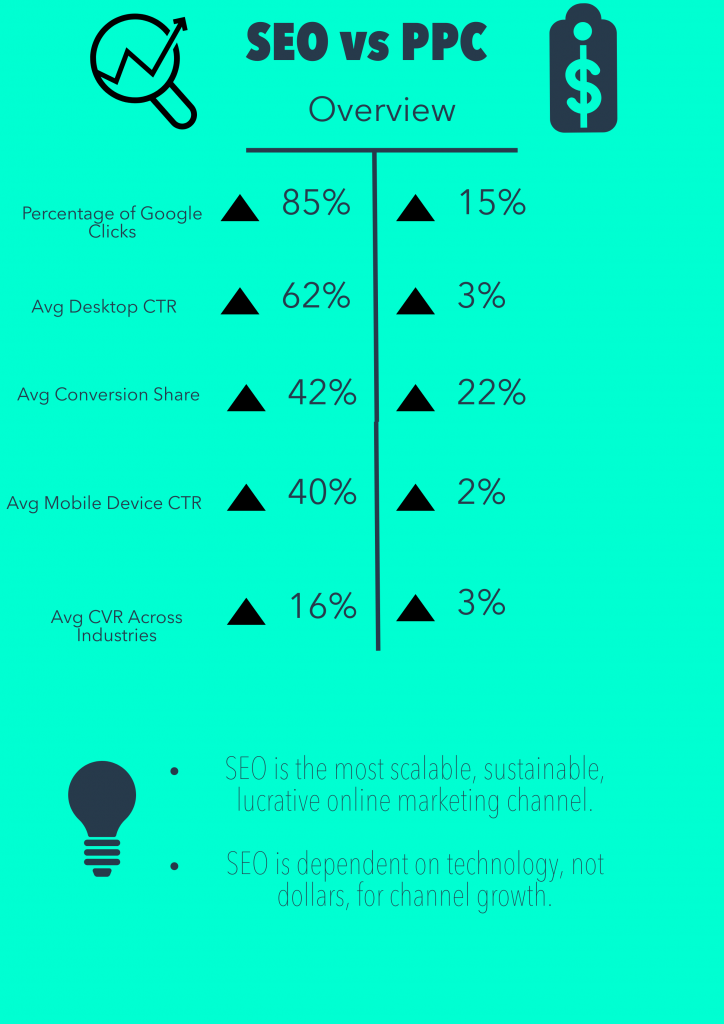



The fundamental difference between SEO (Search Engine Optimization) and SEM (Search Engine Marketing) lies in their acquisition channels. SEO focuses on improving visibility through organic search results, optimizing content, backlinks, and technical factors like site speed. SEM involves paying for top placement in search results, using strategies like Google Ads to target buyer personas with specific demographics and keywords.
A company might choose SEM over SEO if the need for immediate results is critical, their website is relatively new, the target market's value is uncertain, they face low cost-per-clicks (CPCs), or they operate in a highly competitive niche. SEM provides quick, targeted traffic and real-time analytics feedback, but it requires continuous investment.
SEO contributes to long-term business growth by enhancing brand awareness and trust, increasing domain authority, and attracting highly qualified leads. Over time, as a website builds credibility and satisfies user queries, it gains higher rankings, which lead to more visibility and organic traffic without the ongoing costs associated with SEM.
Yes, investing in SEO can lower the cost per acquisition over time. As your website's content and user experience improve, you'll attract higher-quality backlinks and increased organic traffic. This sustainable growth strategy means more customers visit your site without the additional cost of paid advertising, reducing the marginal cost per acquisition.
The main goals of a successful Search Marketing strategy are to increase a website's visibility in search results, improve search rankings, and generate more leads. By effectively leveraging both SEO and SEM tactics, a business can expand its online presence and attract a larger audience, eventually translating to increased revenue.
Search engine user behavior greatly influences the effectiveness of SEO vs. SEM. Users tend to bypass paid ads in favor of organic results, as organic links are more likely to be clicked and to convert into sales. This behavior suggests that SEO, which focuses on organic search, can offer a higher ROI and better scalability compared to the paid strategy of SEM.
